March 2026
By Keilly Loza, 12th Grade
Editor’s note: This article was chosen by the editorial staff as the 2nd-place opinion piece for The Cardinal Post’s First Annual Op-Ed Contest.
When students walk out of school to protest ICE activity in their communities, some people immediately label it as irresponsible or disruptive. I see it differently. School walkouts due to ICE activity are justified because they raise public awareness, show solidarity with affected classmates and families, and give students a meaningful, peaceful way to participate in civic action on issues that directly affect their safety, education, and community. When students speak up together, they are not abandoning their education. They are practicing it in real time.
For many students, immigration enforcement is not some distant political debate. It is personal. It involves their families, their friends, and their neighborhoods. Fear and uncertainty do not magically stop at the school doors. When immigration raids or enforcement actions happen nearby, students carry that emotional weight into the classroom. Expecting them to stay silent and continue their day as if nothing is happening ignores the reality they are living in. A walkout is a way of saying this matters and that students refuse to pretend otherwise.
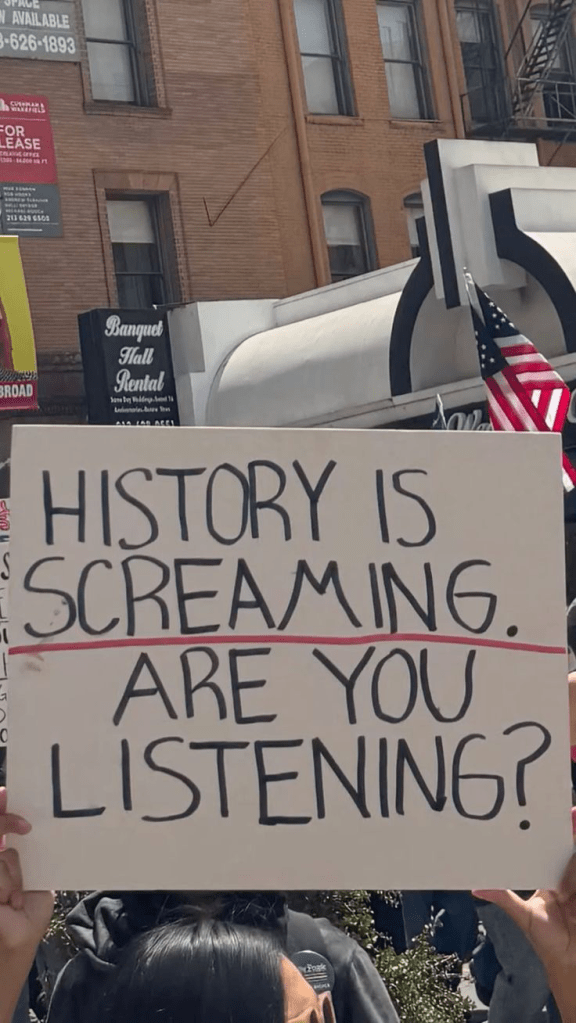
We have already seen students across Texas and other states organize coordinated walkouts in response to immigration enforcement concerns. These were not chaotic riots. They were peaceful demonstrations. Students made signs, gathered in groups, and voiced their concerns publicly. That matters. Peaceful protest is one of the most basic forms of civic participation in a democracy. Adults protest. Workers protest. Voters protest. Students should not be treated as if their voices count less simply because of their age.
Critics often say students should keep politics out of school. But schools constantly teach civic responsibility, government, and citizenship. Students are encouraged to be informed and engaged. It is inconsistent to teach those values in a textbook but discourage them in real life. Civic engagement does not begin at age eighteen. It begins when people learn to recognize problems and speak up responsibly. A peaceful walkout is not a rejection of learning. It is applied learning.
Walkouts also build solidarity inside schools. When students stand together, they show support for classmates who may feel vulnerable or afraid. That kind of peer support strengthens school communities. No student should feel alone when their family or identity is at the center of a public debate. Seeing hundreds of classmates stand beside you sends a powerful message of belonging and shared humanity. Schools often talk about inclusion. Student solidarity is inclusion in action.
Another reason walkouts matter is visibility. Student protests draw media attention and public discussion. Whether people agree or disagree with the message, they are forced to confront the issue. Awareness is how conversations start, and conversations are how change begins. Historically, student activism has helped push major social issues into the spotlight. Young voices have long been part of social progress, not separate from it.
Of course, walkouts should be peaceful and organized. Safety and respect matter. But dismissing all student protest as disruption misses the bigger picture. Democracy depends on participation, and participation is learned through practice. When students organize, speak out, and stand together peacefully, they are doing exactly what we say we want future citizens to do.
Student walkouts are not signs of failure in schools. They are signs that students are paying attention and that they care enough to act.
 The Cardinal Post