October 2026
By Isaiah Washington, Editor-in-Chief
Depression is a serious medical illness that causes deep sadness and a loss of interest in normal daily life. It is much more than just a temporary bad mood or feeling blue. Depression can be caused by things like anxiety or sadness, it can even be affected by the weather when it’s raining. Depression is more common than some people may think, and some people experience it differently. Some people might eat more while others eat less, or some might sleep more while others sleep less. Depression causes you to have a constant sad or empty feeling, it may cause people to lose self-worth and confidence, and it can keep people from getting out of bed or spending time with friends and family. There’s also a difference in how people are affected by it, some people might have it longer than others.
There is one thing that stays constant with depression though, and that’s depression being a major risk factor for suicide. The Jed Foundation explains that depression is the most common mental health condition linked to suicide, and having a mood disorder like major depression increases the risk of suicide significantly. Even so, suicide rarely has a single cause. It typically happens when multiple vulnerabilities intersect, such as substance abuse, severe anxiety, extreme life crises, relationship loss, intense anger, or access to lethal means. Something that makes depression a pretty common occurrence is the fact that there’s a lot of emotions that can cause depression.
CAUSES:
Sadness: Sadness is one of the more common factors that lead to depression, if you have a constant sad or empty feeling for longer than a day then that will usually end up leading to depression.
Hopelessness: Hope is a strong positive feeling, so it makes sense that the opposite can be said about hopelessness. Hopelessness causes people to feel a deep sense that things will not improve and that the future looks bleak.
Helplessness: Feeling unable to change your circumstances or fix problems in your life. If you have both hopelessness and helplessness then you are definitely on your way to becoming depressed, because having the feeling that your situation will not improve and you have no way to fix it is a sad train to ride on.
Worthlessness: Believing you have no value, or excessively blaming yourself for things that are not your fault. Usually worthlessness is caused by outside factors, like other people treating you poorly or talking down on you. When you feel worthlessness you also have the likelihood of having intrusive thoughts like “I’m a loser,” “I don’t deserve __,” etc. Worthlessness can also cause you to believe bad things that people think or say about you; a brain struggling with worthlessness uses a cognitive filter/habits (like “discounting the positive” or overgeneralization) that dismisses compliments or successes and amplifies minor mistakes into proof that you are “not good enough”.
Guilt: Regular guilt usually doesn’t affect you too much, but holding onto heavy or disproportionate regret and shame about past events definitely can. For example if you make a mistake then blow it out of proportion or overdramatize it then that can lead to you having excessive guilt.
Restlessness: Getting easily frustrated, annoyed, or on edge. Which is especially a common sign in men, teenagers, and children. Restlessness can be caused by a lack of sleep, and it can be fueled by anxiety.
Numbness: A complete lack of emotion or an inability to feel joy, excitement, or pleasure. One of the things numbness can be caused by is an anxiety crash. An anxiety crash is what happens after experiencing a big amount of anxiety or for a long stretch of time. When your body and brain run out of energy after a prolonged period of high stress. Once the threat or peak anxiety passes, these hormone levels plummet, leaving you with a severe energy crash.
Loneliness: Emotional pain from feeling disconnected, unsupported, or isolated from others. Loneliness is a common thing for people who just moved schools or homes, or who don’t have a good connection with friends and family.
Anxiety: Feeling constantly nervous, tense, or worried; anxiety and depression frequently occur together. Aside from prolonged sadness, anxiety is one of the most common things that can lead to depression. Especially since anxiety is also linked to numbness, and restlessness.
There are also underlying factors like insecurity or being secretive about your thoughts and feelings; which can lead to anxiety, numbness, or loneliness which then can lead to depression. Even though there are a lot of emotions that can lead to depression it usually only happens when these feelings are mixed together. For example: hopelessness and helplessness, anxiety and restlessness, loneliness and sadness, worthlessness and guilt, etc. So if you have at least three of these feelings then it is possible you have depression, and a professional can diagnose you. What makes depression even more common and worse is the fact that these feelings can be intensified by or tied to certain situations.
Stressful Life Events: Grief, divorce, long-term unemployment, financial strain, or relationship conflicts.
Trauma or Abuse: Past or ongoing emotional, physical, or sexual trauma.
Problematic Coping Patterns: Habitually avoiding difficult emotions, suppressing feelings, or using alcohol and drugs to self-medicate.
Cognitive Habits: Mental patterns like “discounting the positive”—where you mentally dismiss good things or achievements to protect yourself from future disappointment.
SYMPTOMS:
Cleveland Clinic is what I’ll be using for my research and information. Depression may affect how you feel, think and function day to day. Common symptoms include:
- Low or sad mood that seems to last most of the day
- Loss of interest or pleasure in things you used to enjoy
- Feelings of worthlessness or excessive guilt
- Irritability, especially in children and teens
- Trouble thinking or concentrating (brain fog)
- Difficulty making decisions
- Changes in appetite or weight
- Trouble sleeping or sleeping too much
- Slowed movements or restlessness
- Fatigue or low energy
- Recurrent thoughts of death or suicidal thoughts
If you notice these signs in yourself or someone you care about, check in and consider getting support. Many people describe feeling a constant weight that doesn’t lift. Sadness or hopelessness may color most of your thoughts. Sometimes, it doesn’t feel like sadness at all. It might feel like numbness or a lack of emotion. You may also feel more easily frustrated than usual.
RISKS:
Having certain risk factors can make it more likely that you may develop depression. For example, the following conditions are associated with higher rates of depression:
- Cancer
- Chronic pain
- Diabetes
- Multiple sclerosis
- Neurodegenerative diseases, like Alzheimer’s disease and Parkinson’s disease
- Seizure disorders
- Stroke
Depression can affect many areas of your life and health over time. Possible complications include:
- Trouble with daily functioning, like work, school or self-care
- Social withdrawal or relationship problems
- Lower quality of life
- Increased risk of other conditions, like anxiety or substance use
- Worsening of other health problems, like heart disease or diabetes
- Suicide attempts
If you or a loved one is thinking about suicide, dial 988 on your phone to reach the Suicide and Crisis Lifeline (U.S.). Someone is available to help you 24/7. Your health is no joke, and your life matters.
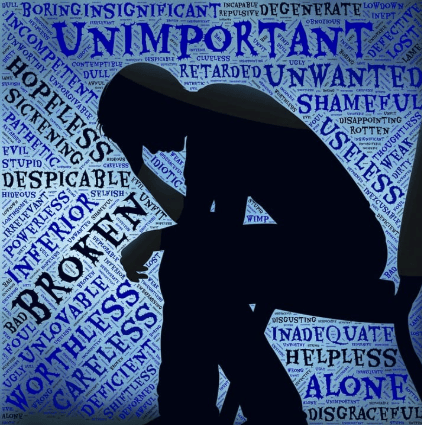
(Drawing provided by author/writer)
TREATMENTS:
Therapy

Talk therapy (psychotherapy) involves talking with a mental health professional. They can help you understand your thoughts, feelings and behaviors. You learn ways to cope. Different types of therapy that may help depression include:
- Cognitive behavioral therapy (CBT): You learn how to change negative thinking patterns and behaviors.
- Interpersonal therapy: You learn how relationships and life events affect your mood.
- Behavioral activation: You slowly return to activities that improve your mood.
- Problem-solving therapy: You learn ways to manage stressful situations.
- Mindfulness-based cognitive therapy (MBCT): This combines mindfulness (staying present) with CBT skills.
Depression medication
Antidepresents may help with symptoms. These medications affect brain chemicals that regulate your mood.
Common types include:
- SSRIs
- SNRIs
- Atypical antidepressants
- Tricyclic antidepressants
- Monoamine oxidase inhibitors (MAOIs)
Your provider will help choose the right medication based on your symptoms and health history.
Other treatments
In some cases, additional treatments may help, like:
- Brain stimulation: This may benefit severe depression. Types include electroconvulsive therapy (ECT) and transcranial magnetic stimulation (TMS).
- Lifestyle changes: Making a few routine changes, like getting some physical activity, getting enough sleep and spending time with loved ones, may support your mental health.
- Complementary therapy: These are treatments you use along with standard care. They may improve your well-being, especially for mild or ongoing symptoms. Examples include acupuncture, massage, hypnosis and biofeedback.
FINAL THOUGHTS:
Never feel as though you have to carry things like this alone, because if you do then there’s an inevitability that you’ll eventually crack under the pressure. Keeping things like this to yourself will eventually lead you to feel like the titan Atlas, heavy shoulders, heavy heart, heavy mind. You’ll put on a fake smile every time someone asks if you’re okay and you say “Yeah, I’m fine,” when you know it is not true. Even if you think you’re strong enough to handle it on your own, the reality is you’re not, it won’t fade on its own if you don’t get help. Especially if what’s causing you to feel like that continues, like a toxic relationship, and even if you somehow tough it out and it fades it’s going to have a lasting impact on you and probably come back since it wasn’t truly resolved.
Life is a never ending journey, like the yellow brick road, and sometimes you might want to quit and step off but you need to keep going, keep pushing forward, keep persevering, stay hopeful, never give up. The mistakes we made and regrets we have from the journey are just what makes us who we are, and without those hardships we wouldn’t learn and adapt to new challenges and experiences. The beliefs, the family, the friends, the pets, the teachers, the people you wish you could punch in the face, they all contributed to your journey. Whether bad or good, they helped you become who you are today, who you have become. Never stop living your life, don’t let other people define who you are, don’t let the struggles of life push you down, fight back, live the life you want to live, be who you are. There are always going to be things or people that make you think that you’re not good enough, but that’s not true, just because you aren’t good at one thing doesn’t mean that you don’t have talents.
My message is to never give up on life, on love, on family, on friends, or on you. Because life matters, YOUR life matters, and there isn’t anyone or anything that can change that. A life filled with life is a life worth living, you were born with a purpose, and if you don’t live today then tomorrow you’ll miss yesterday.
I hope that you think deeply about what you have read, and I also hope you have a great, magical, fantastic, mythical, extraordinary, loving, fulfilled, exceptional, amazing, positive, family-filled, unbelievably awesome life. Take care, and don’t forget to keep on living.

